Updated Safe Environment training aims to protect the vulnerable and empower the faithful
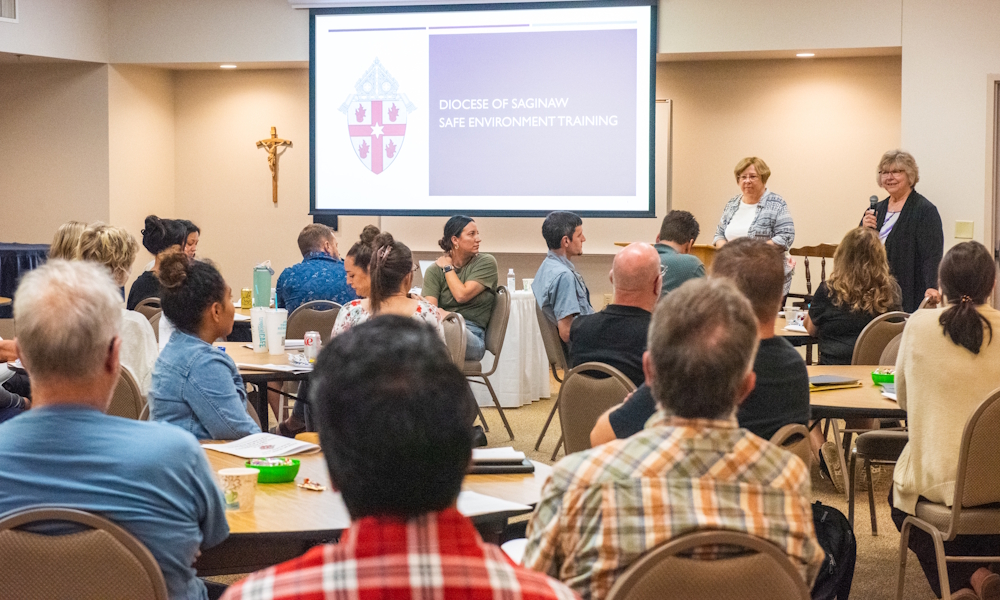
When a parish volunteer signs up to chaperone a field trip or serve at a youth event, Safe Environment training can seem like another box to check. However, the recently updated training, now expanded far beyond its original focus on child sexual abuse, has a much deeper purpose. It aims to equip ordinary Catholics to recognize warning signs, intervene early and help protect children, teens and vulnerable adults in every part of their lives.
When a parish volunteer signs up to chaperone a field trip or serve at a youth event, Safe Environment training can seem like another box to check. However, the recently updated training, now expanded far beyond its original focus on child sexual abuse, has a much deeper purpose. It aims to equip ordinary Catholics to recognize warning signs, intervene early and help protect children, teens and vulnerable adults in every part of their lives.
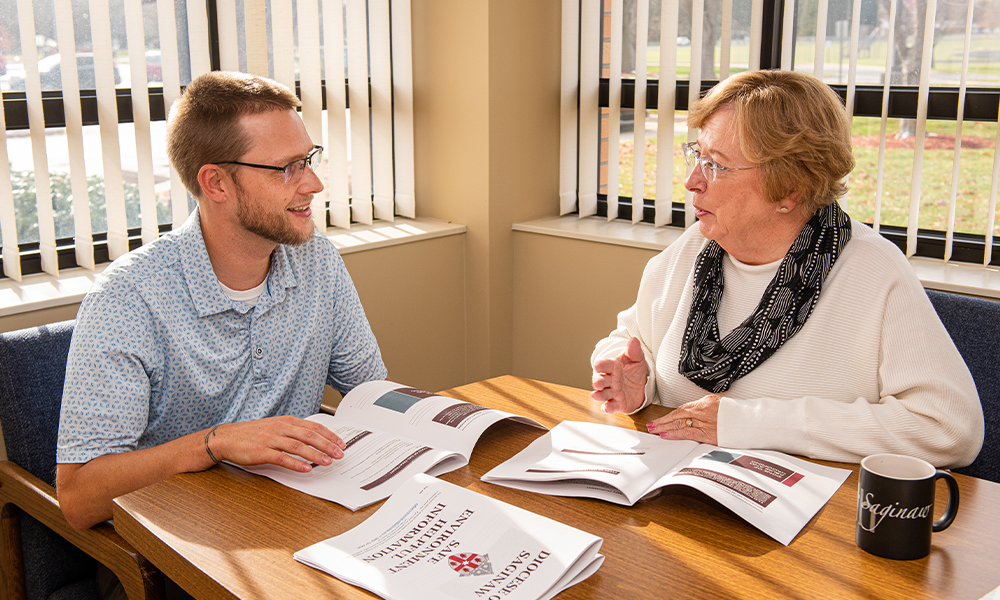
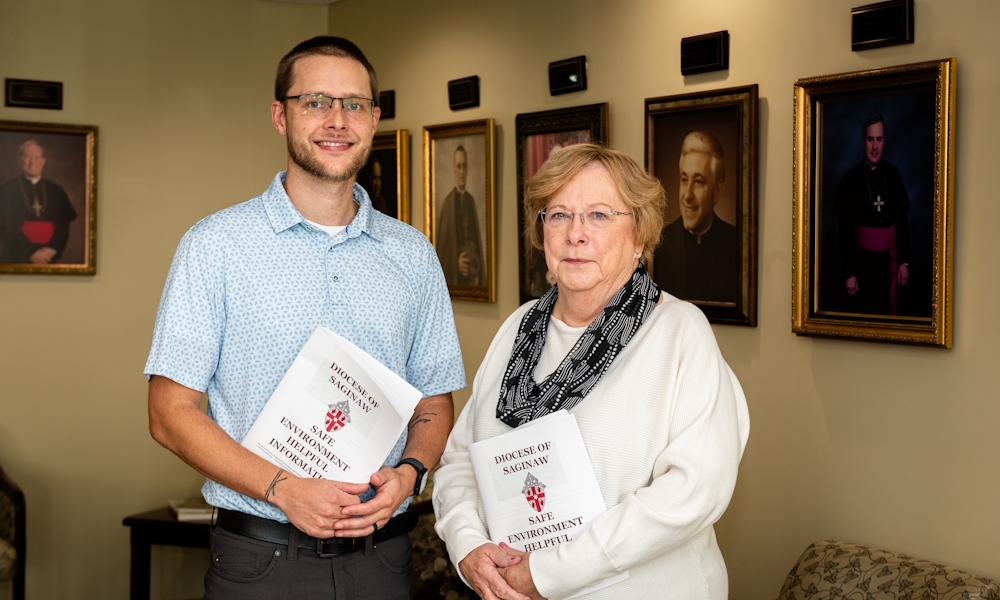
“All adults are protectors of children, youth and vulnerable adults,” said Tyler Provow, safe environment coordinator for the Diocese of Saginaw. “You can take the things that you see in this training and apply them in your public life as well.”
The Diocese of Saginaw remains committed to prevention, vigilance and transparency. With more than 3,350 trained employees and volunteers active in the Diocese, the effort reaches deep into parish and school communities.
A needed update for changing times
Participation in the Diocesan Safe Environment program is required every five years, meaning many volunteers who last trained in 2020 were due for recertification.
“We didn’t want them to sit through the exact same material again,” Tyler said.
A team of VIRTUS facilitators and the Diocesan Review Board, a consultative body that advises the Bishop on safe environment matters, worked to reshape the course. They kept the national VIRTUS framework while adding diocesan-specific content and expanding sections on online safety, guided in part by Pope Francis’ 2018 directive on safeguarding all vulnerable adults.
“Often we think of vulnerable adults as the elderly or those with disabilities,” Tyler said. “But anyone can be vulnerable at different times in their life.”
Not to scare, but to inform
The new edition includes expanded material on peer-to-peer abuse, online exploitation, emotional neglect and financial abuse — problems that can appear in homes, schools and community spaces as well as in church settings.
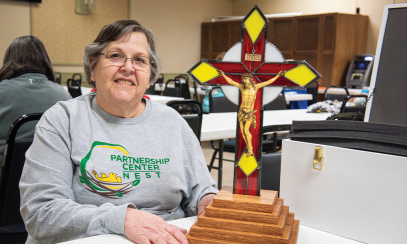
Ilene Dowling, a Safe Environment training facilitator, said the team wanted participants to recognize that abuse and online grooming are not distant or abstract problems. To underscore that these issues affect local families, the training now includes a video interview with Saginaw County Sheriff William Federspiel.
The Diocese offers all training in person, something many participants appreciate.
“Participants have shared that the training is so much better than they received years ago,” Ilene said. “They see its intent is to share information, not scare them. They have shared that it is positive in nature and provides hope for change.”
Participants consistently say the in-person format helps them ask questions, understand diocesan policies and connect the material to their ministry roles.
Layers of protection
The Diocese uses background checks, fingerprinting, VIRTUS bulletins and adherence to the Code of Conduct to create layered protection. Tyler explained that while no single measure is flawless, the different layers of protection complement each other, creating an effective overall safeguarding system.
Ilene emphasized the Review Board’s role in shaping these safeguards:
“The Review Board exists to advise our bishop with honesty and care, ensuring that allegations of clergy abuse are handled with integrity and that our policies remain strong and effective,” she said. “Most importantly, it helps cultivate a culture of hope. We want every parish, school and ministry to be places where children and adults alike feel safe, respected and loved.”
Safeguards are working
Although national and diocesan reports continue to surface allegations from decades past, current cases are rare.
Tyler said that his first few years overseeing the program have been successful. While minor complaints or issues occasionally arise, such as a Code of Conduct violation, all matters are handled appropriately and swiftly. If a criminal complaint were to be made, the Diocese would immediately alert law enforcement and connect the individual with the victim assistant coordinator for counseling and other resources.
Most reports involve incidents from many years ago, including those that have been filed recently. He suggested that the training may help empower individuals to come forward with older cases, providing them with guidance and resources they might not have known were available.
Every volunteer matters
Volunteers can apply the training to recognize warning signs of abuse or neglect in everyday life.
“Even if you’re only helping once, you can take this information and apply it to a child or a vulnerable adult you encounter in daily life,” Tyler said.
The training reinforces the responsibility of all Catholics to advocate for those who may be at risk, ensuring that vigilance and care extend beyond parish walls.
For Ilene, this work is deeply connected to discipleship.
“Safe environment work is ministry,” she said. “It is about living out our faith by ensuring that every child and adult entrusted to our care experiences safety, dignity and love.”
A call to awareness and courage
At the close of each training session, Bishop Robert Gruss’s message echoes: “We must believe that we can make a difference.” That difference starts with informed, vigilant and compassionate adults — ordinary Catholics who take the training seriously and refuse to look the other way.
Tyler said that creating safe environments is everyone’s responsibility, and the more people who recognize the signs of abuse, the safer parishes, schools and communities will be.
Safe Environment training sessions are offered regularly throughout the Diocese, and you can register at saginaw.org/events. If you are a victim or survivor of clergy abuse or know of someone who is, you are urged to make direct contact with local law enforcement and the Michigan attorney general’s investigation hotline at 844-324-3374. You are also welcome to contact the victim assistance coordinator at 989-797-6682 or [email protected]. The victim assistance coordinator can assist victims in obtaining counseling services.
Review Board Members:
- Ilene Dowling, Chair — Retired Special Education Teacher/Transition Coordinator for Saginaw Public Schools and Retired Adjunct Professor at Saginaw Valley State University
- Nicole Boyd, Vice Chair — School Social Worker for Saginaw Township Community Schools
- Nayatt Castelein — Lead Agent, Sex Offender Management Unit for the Michigan Department of Corrections
- Father Andy Booms — Pastor of Sacred Heart Parish of Mount Pleasant and St. Mary University Parish at Central Michigan University; Regional Vicar for Vicariate 5
- Tom McIntyre — Retired Saginaw County Sheriff and Retired Director of Saginaw County 911